ByJohn A
Managing Debris During Driveway, Sidewalk, and Slab Removal Work
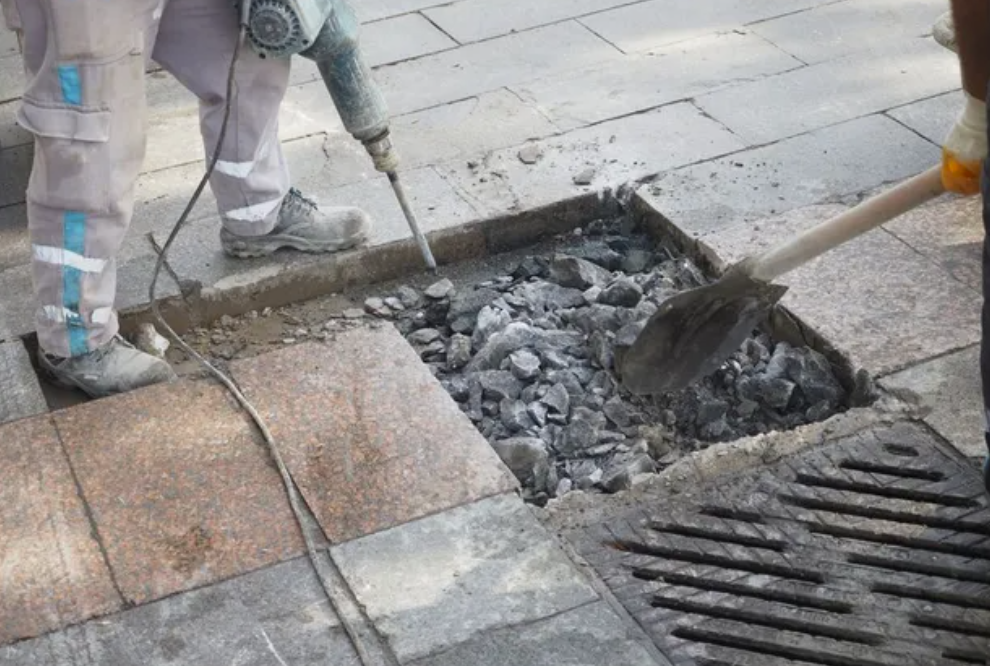
Driveway, sidewalk, and slab removal projects can create a large amount of heavy debris in a short time. What may look like one simple concrete surface often turns into broken chunks, gravel, old base material, soil, edging, forms, and surrounding landscape debris once removal begins. For homeowners, planning how that debris will be handled is just as important as planning the replacement surface.
Concrete removal is different from many other home improvement projects because the waste is dense, awkward to move, and often located in high-use areas of the property. A torn-out driveway can affect parking and access. A sidewalk removal can interrupt foot traffic. A patio or shed slab removal can create obstacles in the yard. With the right cleanup plan, homeowners can keep the project safer, more organized, and easier for contractors or DIY helpers to complete.
Understand the Scope Before Breaking Concrete
Before any concrete is cut, broken, or lifted, homeowners should understand exactly what is being removed. A driveway replacement may involve the main concrete surface, apron, damaged edges, old gravel base, expansion joints, and nearby landscaping. A sidewalk project may include multiple sections, tree-root damage, uneven slabs, or connecting walkway areas.
Slab removal can vary even more. Some slabs are thin and straightforward, while others may be thicker than expected, reinforced with wire mesh, or poured over compacted stone. Older concrete may also hide previous repairs, buried edges, or uneven layers.
Knowing the likely scope helps homeowners prepare enough disposal capacity and avoid assuming that all concrete removal projects produce the same amount of debris.
See also: How Homeowners Are Simplifying the Process of Sourcing and Laying a New Lawn From Start to Finish
Plan Debris Removal Before Demolition Starts
Concrete debris should have a clear destination before removal begins. Once slabs are broken apart, large chunks can quickly block driveways, walkways, garage access, and work zones. Waiting to figure out disposal after demolition begins can make the entire project harder to manage.
Many homeowners coordinate concrete cleanup through Waste Removal USA when driveway, sidewalk, or slab removal produces more material than normal household trash service can handle. A planned disposal setup keeps broken concrete moving away from active work areas instead of allowing piles to spread across the property.
It also helps contractors work more efficiently because they do not have to stop repeatedly to reorganize debris piles.
Create a Controlled Loading Area
A designated loading or debris area is one of the most important parts of concrete removal planning. This area should be close enough to the work zone to reduce carrying distance but placed where it does not block essential access.
For driveway work, homeowners may need to think carefully about where vehicles will park during the project. For sidewalk removal, the debris area should not interfere with safe walking routes. For backyard slab removal, access through gates or side yards may limit where debris can be staged.
The goal is to keep debris contained while still allowing workers, equipment, and service vehicles to move safely around the property.
Keep Concrete Separate from Other Materials
Concrete removal often produces more than concrete. Edging, soil, grass, roots, asphalt patches, pavers, rebar, wire mesh, lumber forms, and landscaping materials may all come out during the job. While it may be tempting to pile everything together, mixed debris can make cleanup more difficult.
Keeping concrete separate from lighter materials helps with loading and organization. It also prevents sharp metal, loose soil, or wood scraps from being scattered throughout the work zone.
If a project includes design changes, such as replacing a plain surface with a concrete driveway with paver border, homeowners may also need to separate old concrete removal from new paver, edging, and base-material staging. Keeping old and new materials apart protects supplies and makes installation smoother.
Think About Weight, Not Just Volume
Concrete debris can be deceiving because it may not look like a huge amount of waste compared with bulky renovation materials. However, broken concrete is extremely heavy. A small pile can weigh far more than homeowners expect.
This matters because disposal planning is often affected by weight before space. A container or staging area may look only partly full, but the material may already be heavy enough to require careful handling.
Homeowners should avoid loading dense concrete debris without understanding practical limits. If contractors are handling the job, ask how they plan to manage weight and whether removal will happen in stages.
Keep Access Routes Clear
Driveway, sidewalk, and slab removal work usually requires repeated movement between the demolition area and the disposal point. Workers may use wheelbarrows, skid steers, compact loaders, carts, or hand tools to move broken concrete.
These access routes should stay open throughout the project. Debris should not be left where equipment needs to travel, where vehicles need to pass, or where people need to enter and exit the home.
For backyard slabs, narrow side-yard access can become a major constraint. Homeowners should remove obstacles such as outdoor furniture, planters, hoses, toys, and stored items before work begins so debris can move out efficiently.
Protect Property Surfaces
Concrete removal can be rough on surrounding areas. Heavy chunks, equipment traffic, and repeated wheelbarrow movement can damage lawns, landscape beds, driveway edges, patios, and nearby finished surfaces.
Homeowners should discuss property protection before demolition starts. That may include choosing specific debris routes, avoiding soft lawn areas after rain, protecting nearby pavers or finished concrete, and keeping heavy piles away from delicate landscaping.
If part of the driveway or walkway will remain in place, extra care should be taken along the transition line. Broken debris and equipment should not damage surfaces that are not being removed.
Remove Debris as Work Progresses
Waiting until all concrete has been broken before removing debris can create problems. Large piles reduce visibility, take away working room, and make it harder to see the base, soil conditions, or areas that still need removal.
Removing debris in stages keeps the work area more manageable. As each section of driveway, sidewalk, or slab is broken apart, the material can move toward the disposal area before the next section is tackled.
This approach is especially helpful for larger driveways and patios. It gives crews more space and helps homeowners track the progress of the project.
Watch for Reinforcement and Hidden Materials
Some concrete surfaces contain wire mesh, rebar, fibers, or other reinforcement. These materials can make slabs harder to break apart and may create sharp or tangled debris during removal.
Older slabs may also include unexpected layers beneath the surface, such as gravel, sand, brick, stone, asphalt patches, or buried construction debris. These hidden materials can increase cleanup needs and may change the removal schedule.
Homeowners should be prepared for some uncertainty, especially with older driveways, sidewalks, or outbuilding slabs. A flexible cleanup plan can prevent unexpected debris from slowing the job.
Keep the Site Safe During the Project
Broken concrete can create tripping hazards, sharp edges, unstable piles, and uneven walking surfaces. During removal work, homeowners should keep children, pets, and visitors away from the active area.
Even after work pauses for the day, the site may still be unsafe. Loose chunks, exposed edges, holes, and tools can remain around the project area. A controlled debris zone and clear boundaries help everyone understand where they should and should not walk.
Good cleanup habits reduce hazards and make it easier to spot any unsafe conditions before work resumes.
Coordinate New Installation with Cleanup
Many concrete removal projects are followed by new installation. The old driveway may be replaced with fresh concrete, pavers, asphalt, gravel, or a redesigned hardscape feature. Sidewalks may need regrading before new forms are set. Slabs may be replaced with patios, sheds, walkways, or landscaping.
Debris cleanup should be coordinated so the next phase can begin without delay. Old concrete should be removed before new base material, forms, pavers, or reinforcement are staged in the work area.
Keeping the area clean also helps contractors evaluate grading, drainage, soil stability, and the preparation needed for the new surface.
Prepare for Final Cleanup
Once the major chunks are gone, small debris often remains. Concrete chips, dust, gravel, wire pieces, form scraps, and soil may be scattered around the work zone. These smaller materials should not be ignored.
A careful final cleanup helps protect lawns, tires, bare feet, pets, and new construction materials. Homeowners should check along edges, near garage doors, in planting beds, and along access routes where small pieces may have fallen during removal.
Final cleanup also helps the property look less like an active demolition site and more like a space ready for the next phase.
Managing debris during driveway, sidewalk, and slab removal work requires planning for weight, access, staging, safety, and the next construction phase. Concrete debris is heavy and can quickly interfere with parking, pathways, equipment routes, and daily routines if it is not handled carefully.
By setting up a controlled debris area, keeping materials separated, protecting nearby surfaces, removing waste in stages, and preparing for hidden materials, homeowners can make concrete removal much more manageable. A thoughtful cleanup plan helps the project move from demolition to replacement with fewer delays and a safer, more organized property.