ByJohn A
Testimonial Video Production Melbourne: Drafting Natural Interview Prompts for Authentic Client Responses
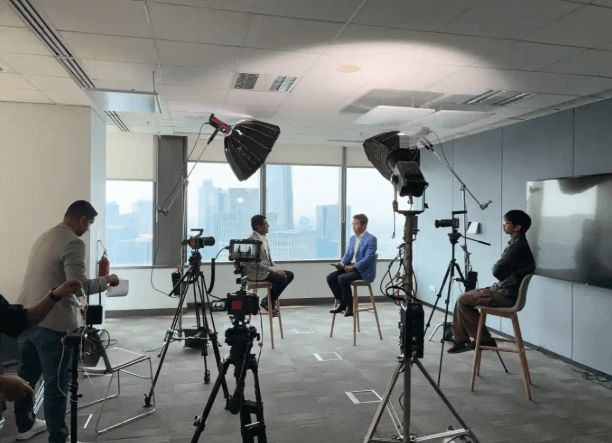
A testimonial video where the subject looks comfortable, speaks naturally, and delivers responses that feel genuinely unscripted is the product of preparation that happens well before the camera rolls. The prompts given to interview subjects are the most important document in the pre-production process for this format, and yet they receive far less attention than decisions about location, lighting, and camera setup in most productions.
The paradox of testimonial video is that the most authentic-sounding results are produced through the most deliberate preparation. Subjects who receive no guidance give rambling, unfocused responses that require extensive editing. Subjects who receive scripted content deliver it awkwardly, and the scripted quality is immediately apparent to viewers. The middle path, carefully prepared prompts that guide thinking without scripting speech, consistently produces the most usable and genuine-feeling content.
Understanding What Authentic Sounds Like
Before drafting prompts, it is worth being precise about what authentic means in this context. An authentic testimonial is not unpolished or unprepared. It sounds specific, personal, and emotionally genuine. The subject references details that only they would know, uses language that reflects how they actually speak rather than marketing phrasing, and conveys emotion that is clearly connected to real experience rather than performed for the camera.
The enemy of authenticity is generalisation. A client who says “the service was excellent and the team was very professional” is giving a testimonial that could apply to any provider in any industry. A client who says “I called at eight in the evening on a Wednesday and someone picked up and solved our server issue before midnight” is giving a testimonial that carries specific detail, specific timing, and specific outcome that no competitor can replicate.
Good interview prompts push subjects toward specificity, and the best way to do this is through prompts that ask about specific moments, decisions, or results rather than general impressions.
Structuring the Prompt Set
For a video production company Brisbane level production, the interview prompt set typically follows a narrative arc that moves the subject from context through challenge to solution to outcome. This structure produces usable content across the full length of the testimonial rather than a collection of disconnected responses.
Opening prompts establish context: what the subject does, what situation they were in before engaging the provider, and what prompted them to look for a solution. These responses ground the viewer in a relatable situation and establish who is speaking and why their opinion matters.
Mid-sequence prompts address the challenge and the decision-making process. What was the specific problem? What had they already tried? What made them consider this particular provider? What was their concern or hesitation before engaging?
Closing prompts focus on outcomes and recommendation. What changed? What specific result can they point to? Who would they recommend this service to, and why specifically?
Prompts That Generate Specific Responses
The difference between a prompt that generates a general response and one that generates specific, usable content is usually the level of precision in the question. Compare these two prompts: “How would you describe your experience working with us?” and “Think back to the first time you noticed a real difference. What was happening, and what had changed?”
The first prompt is a blank canvas that many people fill with pleasant generalities. The second prompt asks the subject to access a specific memory and describe it, which produces concrete language and genuine emotion rather than polished summary statements.
For testimonial video production melbourne specifically, prompts that reference the specific product category, industry context, or measurable outcomes relevant to the client’s business produce responses that are more useful for reaching the target audience than generic satisfaction statements.
See also: How Investors Analyze Blockchain Startups
Briefing the Subject Before the Shoot
Sending the prompt set to the interview subject in advance, typically forty-eight to seventy-two hours before the shoot, gives them time to think through their responses without rehearsing scripted answers. The briefing note that accompanies the prompts should explain that there are no wrong answers, that the interviewer will ask follow-up questions to draw out more detail, and that they should speak conversationally rather than formally.
On the shoot day, running through one or two warm-up questions that will not appear in the final video helps subjects relax and find their natural speaking rhythm before the content questions begin. The quality of responses typically improves noticeably after the first five minutes of an interview as the subject becomes comfortable with the format.