
The most technically skilled photographer in Melbourne cannot produce a great headshot if the person in front of the camera is wearing the wrong clothes, has not thought about their personal brand, or arrives at the studio underprepared. The wardrobe and preparation decisions made before a headshot session have more impact on the final result than most people realise, and getting them right is entirely within the control of the subject rather than dependent on the photographer’s skill.
Understanding the principles behind wardrobe selection and session planning allows anyone approaching a professional headshot session to walk in with confidence and walk out with images that genuinely serve their professional goals.
The Psychology of Colour in Professional Imagery
Colour communicates before anything else does. In a professional headshot, the dominant colour of the clothing establishes the emotional tone of the image instantly and shapes the impression formed before any other detail is registered.
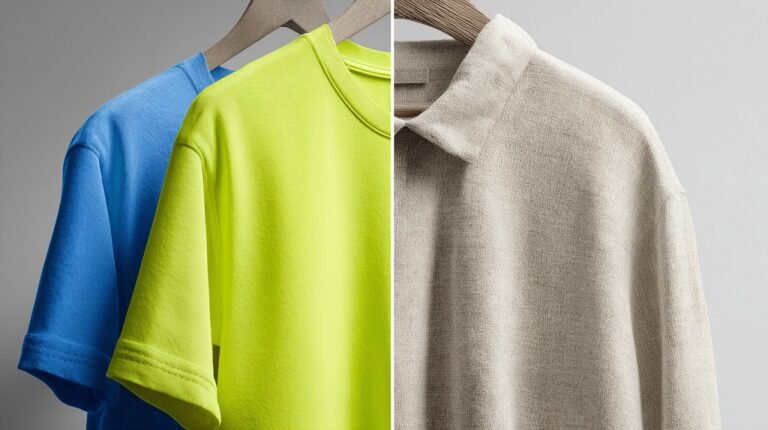
Navy blue and mid-blue tones are consistently among the highest-performing colours in professional headshots. They read as trustworthy, competent, and confident without the severity of black or the visual weight of darker colours. They also photograph cleanly across a wide range of skin tones and background treatments.
Charcoal and grey tones perform similarly well, offering a professional register with slightly less formality than navy. For industries where warmth and approachability matter alongside competence, mid-grey jackets or blazers can be particularly effective.
Pure white, conversely, is one of the more challenging colours to manage in professional photography. It reflects light unpredictably, can create blown highlights near the face, and shifts significantly depending on the studio lighting setup. Off-white, cream, or light grey are generally preferable if a lighter tone is the goal.
Pattern and Texture Considerations
The camera sees patterns very differently from the human eye. Small checks, tight herring bones, and fine stripes that read as subtle texture in person often produce visual vibration in photography known as moiré, where the pattern conflicts with the pixel resolution of the camera and creates a distracting interference pattern in the image.
The safe approach is to favour solid colours or very subtle, large-scale textures for the primary garment. Texture in a jacket or blazer adds visual interest without the risk that small-scale patterns create. If pattern is important to the personal brand, reserving it for an accessory rather than the primary garment is a way to incorporate it without risk.
Planning the Session Logistics
A Melbourne headshots session typically runs between one and two hours for an individual client, and that time is most productively used when the subject arrives prepared. Bringing two or three outfit options allows the photographer to select the combination that works best with their lighting setup and background treatment, and gives the subject options if an initial choice proves less effective than anticipated.
Hair and makeup should be done before arrival at the studio, not on the day at the venue, unless the booking specifically includes these services. Arriving with hair already styled avoids the rushed setup that can affect composure and reduces the warm-up time required before the session produces relaxed, natural-looking expressions.
Reviewing work by the headshot photographer melbourne in advance is useful for understanding their lighting approach and aesthetic sensibility, which helps calibrate expectations and informs the wardrobe choices that will work best within their style.
See also: How Cloud Bursting Improves Scalability
The Day of the Session
Physical preparation matters as much as wardrobe planning. Adequate sleep in the days before the session visibly affects skin quality and the appearance of the eyes. Hydration makes a measurable difference to skin texture. These sound like cosmetic concerns but they are practical variables that influence the quality of the images produced.
Arriving a few minutes early rather than rushing in at the last moment gives time to settle, review the planned outfits with the photographer, and begin the warm-up conversation that helps produce natural expressions rather than stiff, self-conscious ones. The quality of the relationship between subject and photographer in the first ten minutes of a session has a direct impact on the authenticity of the expressions captured throughout it.